

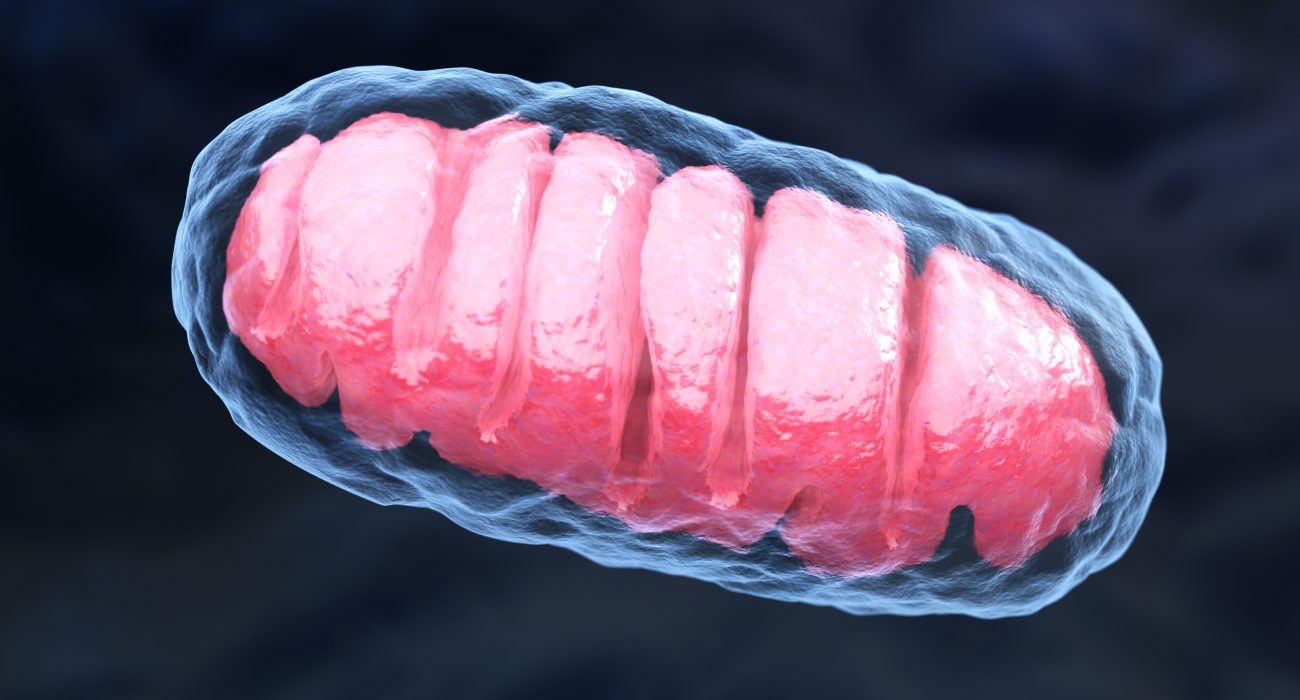
Mitochondria are the “power plants” inside nearly every cell you have. They generate adenosine triphosphate (ATP), the chemical energy that powers muscle contraction, brain signaling, and cellular repair. In athletic settings, healthier mitochondria usually mean better endurance, quicker recovery, and a higher ceiling for training volume. In everyday life, they correlate with steadier energy and resilience to stressors. In this guide, you’ll get a practical, evidence-based playbook to improve mitochondrial function through training, diet, sleep, and smart supplementation—plus precisely-matched products you can add from our store.
Why Mitochondria Matter (and What “Better” Actually Means)
Each mitochondrion hosts the electron transport chain (ETC) and oxidative phosphorylation—multi-step processes that convert nutrients into ATP. The more (and more efficient) mitochondria you have, the more ATP you can make per unit of oxygen and fuel. Endurance and high-intensity interval training (HIIT) increase mitochondrial content and function via signaling pathways including PGC-1α, NRF-1/2, and TFAM—this process is called mitochondrial biogenesis.
In practice, better mitochondrial health shows up as:
-
Higher power output at a given heart rate (improved efficiency).
-
Faster recovery between sets and sessions.
-
Greater fatigue resistance during long efforts.
-
Better metabolic flexibility (using carbs or fats effectively based on demand).
Training for Mitochondria: What to Do Each Week
Decades of research points to two complementary levers: HIIT and steady endurance. Both trigger PGC-1α-driven signals that increase mitochondrial content and tune mitochondrial dynamics (fusion/fission and turnover).
A simple weekly template (adapt sets/volumes to your level):
-
HIIT (1–2x/week):
-
Option A: 4–6 × 3 minutes hard (RPE 8–9/10) with 2–3 minutes easy between.
-
Option B: 8–12 × 60 seconds hard / 60 seconds easy.
These sessions strongly upregulate PGC-1α and related pathways that drive mitochondrial biogenesis.
-
-
Steady Endurance (2–3x/week):
-
30–90 minutes at a conversational pace (Zone 2–3).
This builds mitochondrial enzymes and capillary density to sustain high rates of aerobic ATP production.
-
-
Strength Work (2–3x/week):
Resistance training doesn’t target mitochondria as strongly as endurance work, but it supports insulin sensitivity, fiber quality, and overall performance—creating more “engines” to use the energy you produce. -
Active Recovery (as needed):
20–40 minutes of easy cycling, walking, or swimming enhances blood flow without adding fatigue—supporting mitochondrial turnover.
Tip: Progress one variable at a time—first frequency, then duration, then intensity. This preserves quality and avoids recovery debt that can blunt mitochondrial adaptations.
Diet: Fueling the Mitochondria
Mitochondria run on substrates you provide—carbs (glucose), fats (fatty acids), and, indirectly, amino acids. Key points:
-
Carbohydrates power high-intensity efforts; maintaining adequate glycogen enables you to train hard enough to stimulate biogenesis.
-
Fats dominate at lower intensities. Long-chain fatty acids must be shuttled into mitochondria via the carnitine shuttle before they can be oxidized for ATP. Supporting this pathway improves metabolic flexibility.
-
Protein supplies amino acids for repair, mitochondrial protein turnover, and enzymes. A target of ~1.6–2.2 g protein/kg/day suits most lifters and hybrid athletes.
Hydration & electrolytes matter for mitochondrial enzymes and the ETC to function properly. Dehydration and low electrolytes reduce power output and impair recovery signaling.
Smart Supplementation for Mitochondrial Function
Below are rigorously chosen options that map directly to known mitochondrial pathways. Where it helps, we link to the matching product (link text uses a relative path only, per your request).
1) Creatine Monohydrate — ATP Buffer & Training Quality
Creatine increases intramuscular phosphocreatine, the immediate buffer for ATP resynthesis during intense efforts. Better ATP buffering lets you sustain quality intervals and volumes—the primary drivers of biogenesis. Consider 3–5 g/day (no loading required for most).
→ Creatine Monohydrate
(Mechanistic context: quality training = stronger mitochondrial stimulus.)
2) L-Carnitine — Fatty-Acid Transport into Mitochondria
L-carnitine is essential for transporting long-chain fatty acids across the inner mitochondrial membrane for β-oxidation (energy production). Typical supplemental intakes range 1,000–2,000 mg/day (often split).
→ CARNI-MAX
3) Omega-3 (EPA/DHA) — Membrane Fluidity & Mitochondrial Efficiency
Omega-3 PUFAs incorporate into mitochondrial membranes, supporting membrane fluidity and potentially improving ETC efficiency and signaling (including biogenesis markers in some models). Typical combined EPA+DHA dosage: 1–3 g/day with meals.
→ OMEGA 3 FISH OIL
4) Alpha-Lipoic Acid (ALA) — Antioxidant & Enzyme Cofactor
ALA is a cofactor for mitochondrial α-ketoacid dehydrogenase complexes (e.g., pyruvate dehydrogenase) and has antioxidant roles that help maintain redox balance. A common dose is 300–600 mg/day with food (some split doses).
→ ALPHA-LIPOIC ACID
5) Glycine + Glutathione Support — Redox Balance for Mitochondria
Glutathione (GSH) is a key mitochondrial antioxidant; glycine is one of its three building blocks. Ensuring adequate glycine can support GSH synthesis and cellular redox homeostasis—important when training volume is high.
→ GLYCINE and GLUTATHIONE
6) Protein — Rebuild the “Engines”
Sufficient daily protein supports mitochondrial protein turnover and the muscle remodeling that lets you do (and benefit from) more work. Post-workout options:
→ COFFEE PROTEIN (WHEY ISOLATE) and other choices in Protein & Whey.
Safety notes: If you’re pregnant, breastfeeding, have a medical condition, or take chronic medications (especially anticoagulants for omega-3s), consult a clinician first. Supplements support—not replace—training, diet, and sleep.
Sleep, Stress, and Circadian Inputs
Mitochondria respond to biorhythms and stress hormones. Inadequate sleep elevates sympathetic tone and oxidative stress, which can impair adaptations. Aim for 7–9 hours/night, keep a consistent sleep/wake time, and do late-day caffeine strategically (or switch to non-stim pre-workouts if evening training).
Simple additions:
-
Evening wind-down: 20–30 min low-light routine, light stretching or a short walk.
-
Daylight exposure: 5–15 minutes morning sunlight to anchor your clock.
A 14-Day Mitochondria Kick-Start (Sample)
Daily: Hydrate early; hit protein targets; walk 8–12k steps.
Supplements:
-
AM with food: OMEGA 3 FISH OIL, ALPHA-LIPOIC ACID
-
Pre-training: Creatine Monohydrate (any time of day), optional caffeine as tolerated
-
PM (or split): CARNI-MAX with a meal; GLYCINE 3 g about 30–60 min before bed
-
Train 4–5 days/week using the plan below; 2–3 easy days.
Week 1
-
Mon: HIIT Option B (60s on/60s off × 8–10)
-
Tue: 40–60 min steady endurance
-
Wed: Strength (full-body) + 20 min brisk walk
-
Thu: 30–40 min Zone 2 + mobility
-
Fri: HIIT Option A (3 min hard × 4–5; 2–3 min easy)
-
Sat: Strength (full-body) + 20–30 min easy spin/walk
-
Sun: Restorative walk, stretch, early night
Week 2
-
Progress one lever: add 1–2 intervals to a HIIT day or +10–15 min to one endurance day. Keep two easy/recovery days.
Troubleshooting & FAQs
“I feel flat in HIIT.”
You may be underfueling carbs. Add 30–60 g carbohydrate in the 1–2 hours pre-session, and ensure daily glycogen replacement. Over time, your mitochondria handle repeated hard efforts better.
“How soon should I notice change?”
At the cellular level, transcriptional signals (e.g., PGC-1α) rise within hours of training, but perceptible performance changes usually emerge over 2–6 weeks with consistent stimulus and recovery.
“Where does fat actually ‘go’ during fat loss?”
Long-chain fatty acids are transported into mitochondria via the carnitine shuttle and oxidized to acetyl-CoA, ultimately producing CO₂ and water via the TCA cycle and ETC—i.e., you “breathe out” most mass as CO₂ when oxidizing fat.
The Bottom Line
-
Stimulate with a weekly mix of HIIT + steady endurance.
-
Support with adequate carbs for hard sessions, ample protein daily, hydration, and sleep.
-
Supplement with targeted tools that align to mitochondrial mechanisms:
-
Creatine Monohydrate (ATP buffering)
-
CARNI-MAX (fatty-acid transport)
-
OMEGA 3 FISH OIL (membrane/ETC support)
-
ALPHA-LIPOIC ACID (cofactor/antioxidant)
-
GLYCINE + GLUTATHIONE (redox balance)
-
Dial in those levers, and your “cellular engines” will repay you with more output per unit of effort.